
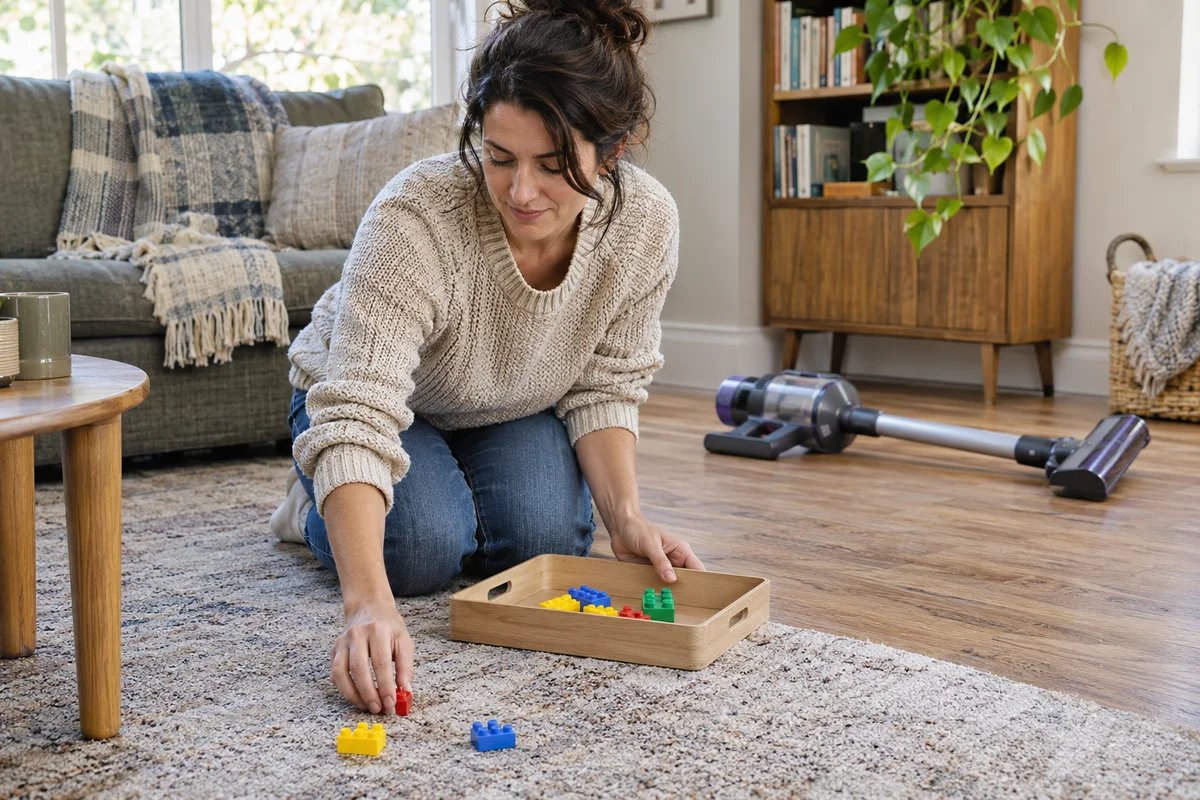
AI-generated scene illustration; not a photograph of the recommended product.
Guests are due after a family afternoon in the living room. Dry crumbs need collecting, but small building pieces, a paper label and a charging cord are also on the floor. A sensor-assisted vacuum sounds convenient. The important purchase question is whether it reduces manual power changes, not whether it takes responsibility for identifying everything that should stay out of the nozzle.
The short answer
Prepare the floor before running a Eureka ReactiSense NEC440BK. Its manual describes Auto-mode responses to dust and nozzle resistance; it does not establish toy recognition or valuable-object avoidance. The manual separately instructs users to remove large waste manually to prevent blockage and warns against running over cords.
Buy it for suitable dry household pickup after the route is prepared. Do not buy on the assumption that Auto sensing will sort safe debris from toys, strings, jewelry or other belongings. That sorting remains a separate human task, even when the vacuum changes its power automatically.
Contents
- The short answer
- Distinguish sensing from sorting
- Give objects somewhere to go
- Prepare the actual cleaning route
- Stop rather than testing a blockage
- Compare the complete cleanup task
- Buying advice
- Frequently asked questions
- Sources and verification
Distinguish sensing from sorting
The NEC440-series manual describes increased resistance and sensed dust as conditions relevant to Boost behavior in Auto mode. These are operating signals. They are not evidence that the machine recognizes the identity, value or permitted disposal method of an object on the floor.
That difference matters when reading a sensor headline. A user may want less manual mode switching on a dry mixed-floor route. Another may expect the vacuum to avoid every toy. Only the first expectation follows the described feature. Ask for explicit documentation before attributing a different kind of detection to the product.
Our NEC440 Auto-mode guide explains the runtime tradeoff. This guide addresses what happens before pickup begins: separating belongings and unsuitable objects from the cleaning route. A longer battery session does not remove that preparation requirement.
Give objects somewhere to go
Use a small tray or another appropriate existing container for belongings that need sorting. The point is to move them out of the cleaning path without losing them in a different pile. Keep recovered valuables separate from waste so nobody later empties the tray as though it were a dustpan.
For example, one adult can collect building pieces while another checks the floor around the sofa. Do not hand a running nozzle to a child to demonstrate that it will stop before reaching a toy. The manual requires attention around children and says the appliance is not a toy. Prepare and operate it under its actual instructions.
Unfamiliar material deserves a separate decision. A powder, spill or sharp object does not become appropriate household debris because it appeared during an ordinary afternoon. Identify the material and use a suitable method rather than seeing whether suction will make it disappear. This article is not hazardous-material cleanup guidance.
Prepare the actual cleaning route
Start with the places the nozzle will pass, including the edge of a rug and the space beside a charging table. A clear middle of the room can hide a cord at the wall or a loose object under a chair. Inspect from a stable position with adequate room lighting.
The manual explicitly warns against running over a cord. Move cords through their normal safe handling route; do not pull on plugs by the cable or drag connected equipment across the room. If an item cannot safely be moved, adapt the cleanup plan rather than forcing a vacuum through it.
Separate dry pickup from any wet task. The NEC440 manual prohibits wet-surface use. Spilled drinks and damp cleaning residue need the appropriate separate treatment, and the floor must be suitable for the vacuum’s permitted use before continuing. Auto sensing does not relax that boundary.
Our floorhead-light guide addresses visibility. An illuminated nozzle may help a person see a path, but it is not proof that all objects have been identified. Safe room lighting and human inspection remain useful regardless of the headlight’s presence.
Stop rather than testing a blockage
Do not feed a toy, paper or fabric into the nozzle to test avoidance. The manual’s operating section specifically discusses manual removal of larger waste to prevent a blocked air path. A demonstration that intentionally creates the problem is not necessary to assess an ordinary purchase.
If something unexpected is collected or the machine behaves abnormally, stop and follow the documented shutdown and maintenance procedure. Disconnect the battery before cleaning or servicing as directed. Keep fingers and loose clothing away from moving parts. Do not reach into an operating opening or repeatedly restart the machine against an obstruction.
When an object cannot be reached through supported maintenance, use manufacturer support rather than dismantling the motor or battery. A missing personal item and a machine fault may require different help. Neither is a reason to bypass a protection or improvise a repair.
Compare the complete cleanup task
| Stage | What to include in the purchase decision |
|---|---|
| Before pickup | Recover belongings and remove unsuitable material |
| Route preparation | Cords, access and safe room lighting |
| Vacuum use | Supported dry surfaces and appropriate attachments |
| After pickup | Dust-cup access and documented maintenance |
| Household handover | Everyone understands what Auto does not do |
Imagine a household that only needs a quick dry-crumb pass after the floor is cleared. A cordless vacuum may fit that sequence well. In another home, sorting craft supplies takes most of the available time. Replacing a working vacuum may not meaningfully shorten the whole job, because its largest bottleneck happens before the motor starts.
This is why a headline runtime or sensor count should not dominate the comparison. Write the real cleanup sequence and identify which stage a purchase changes. An existing storage tray or a better place for chargers may address the immediate inconvenience without adding another powered appliance.
Do not turn that observation into a claim that every home needs identical storage. The useful arrangement is one the household can actually repeat. Keep frequently recovered items near their normal destination and leave the vacuum’s own parking and charging position consistent with the manual.
Buying advice
Consider NEC440BK when its documented attachments, handling and mode choices fit a prepared dry-household route. Use the ReactiSense 440 product information to identify the model, then confirm the actual partner bundle and seller terms. A photograph of multiple accessories is not an itemized guarantee for every offer.
Skip it if the expected benefit is automatic toy avoidance or safe pickup of whatever lies on the floor. Also compare keeping the present vacuum if preparation is the real problem and the current machine handles the remaining task appropriately. No object-recognition, pickup, damage-prevention or time-saving test was performed for this guide.
Frequently asked questions
Does Auto mode recognize small toys?
The reviewed instructions do not establish that feature. They describe dust and nozzle-resistance responses, not object identification.
Can I leave paper and fabric for the nozzle?
Do not assume so. The manual calls for manual removal of larger waste and names paper and cloth as examples relevant to blockage prevention.
Does the floorhead light replace room lighting?
No. Keep the route safely lit and inspect it normally. A light is not an object-avoidance guarantee.
Should I reach into the nozzle if something is caught?
Not while it is operating. Follow the shutdown and battery-disconnection instructions before supported maintenance; seek support for anything outside that procedure.
Sources and verification
Checked November 18, 2026. Manufacturer instructions reviewed for sensing, route preparation and safety limits. No vacuum or object-avoidance test was performed.
- Eureka ReactiSense 440 product information
- Eureka NEC440-series manual, safety and operating sections
Keep reading
Related guides
 Cleaning
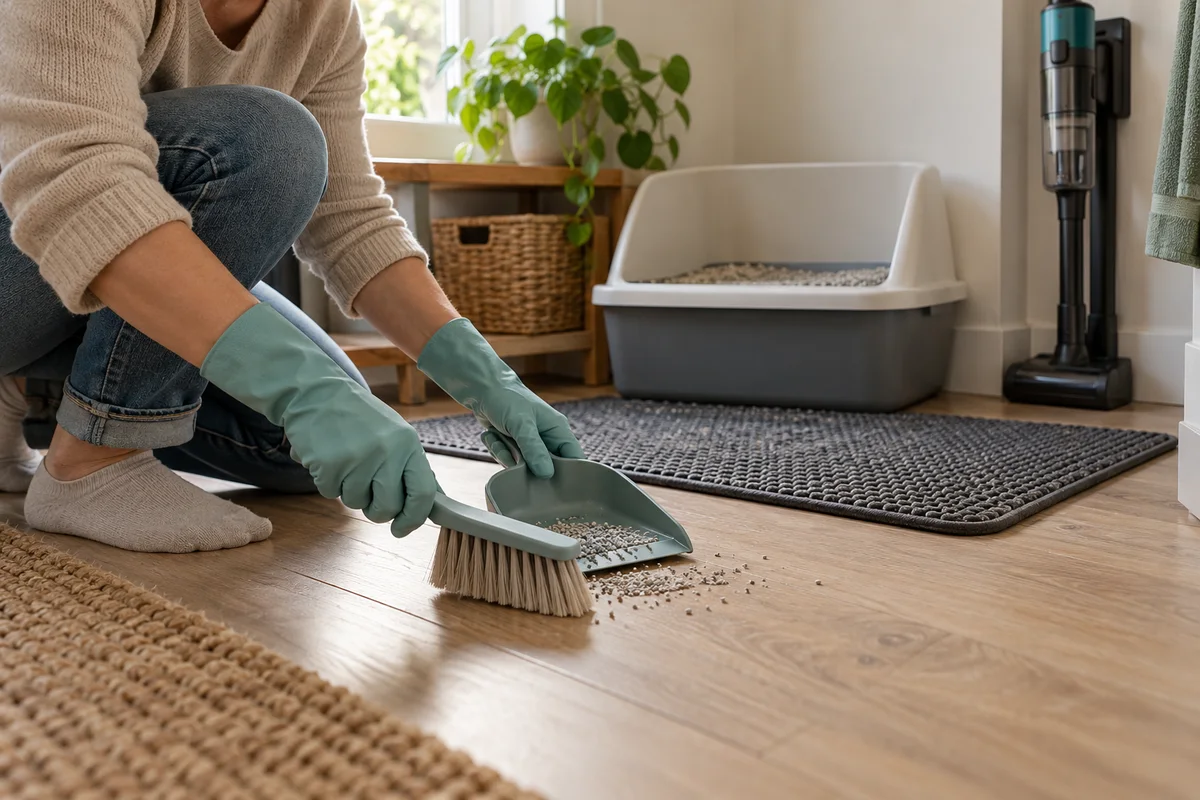
NEC440 and Cat-Litter Tracking
Plan NEC440 around a cat-litter area by reducing tracking first and separating dry floor cleaning from wet clumps, fine dust and litter-box care.
Read guide →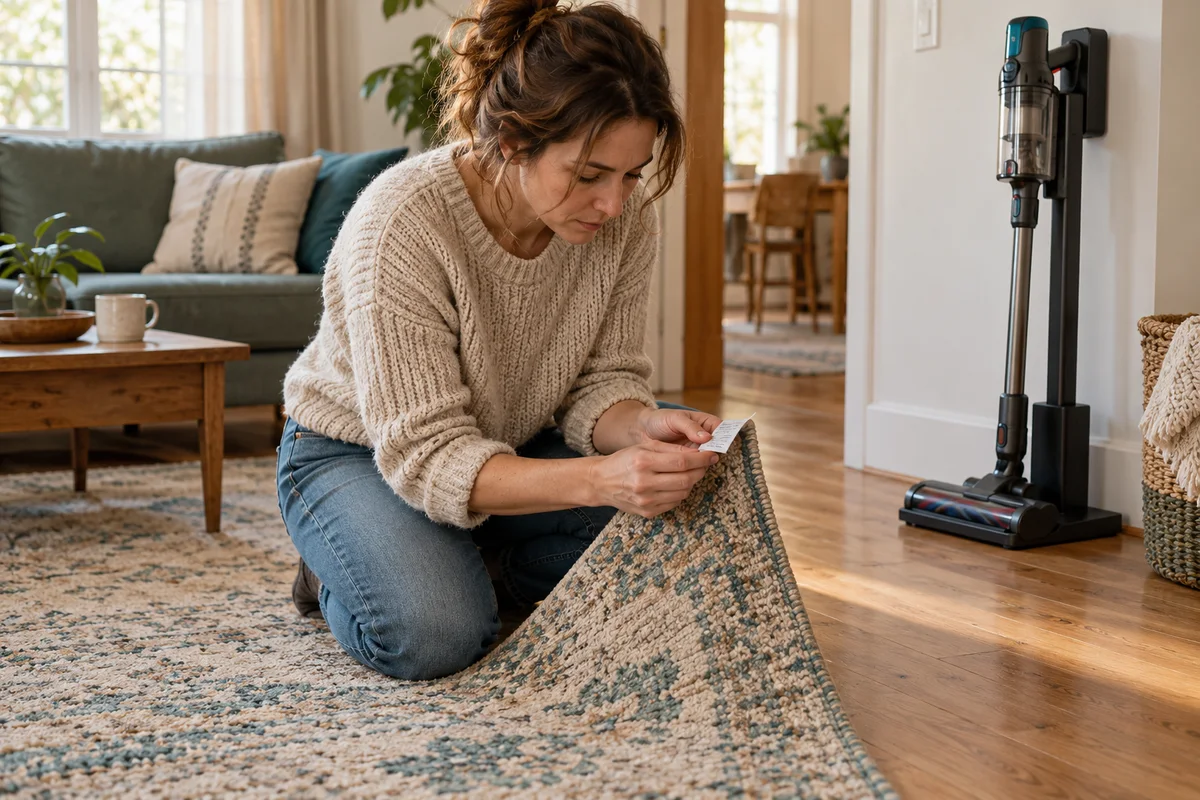 Cleaning
NEC440 Rug Care Compatibility
Compare NEC440 controls with the exact rug's suction and brush-care instructions before treating automatic floor sensing as material compatibility.
Read guide →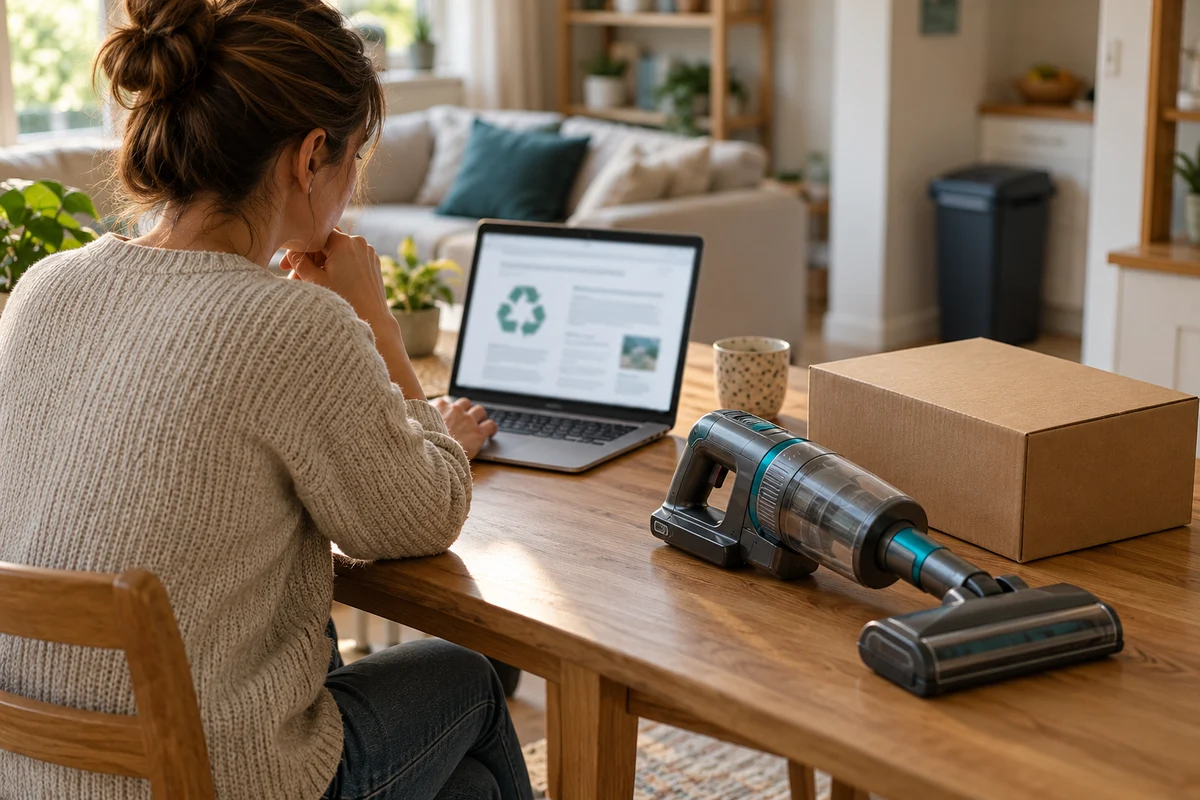 Cleaning
NEC440 Battery Retirement
Plan an NEC440 battery's end-of-life route with manufacturer and local recycler guidance before discarding, shipping or replacing a cordless vacuum.
Read guide →