
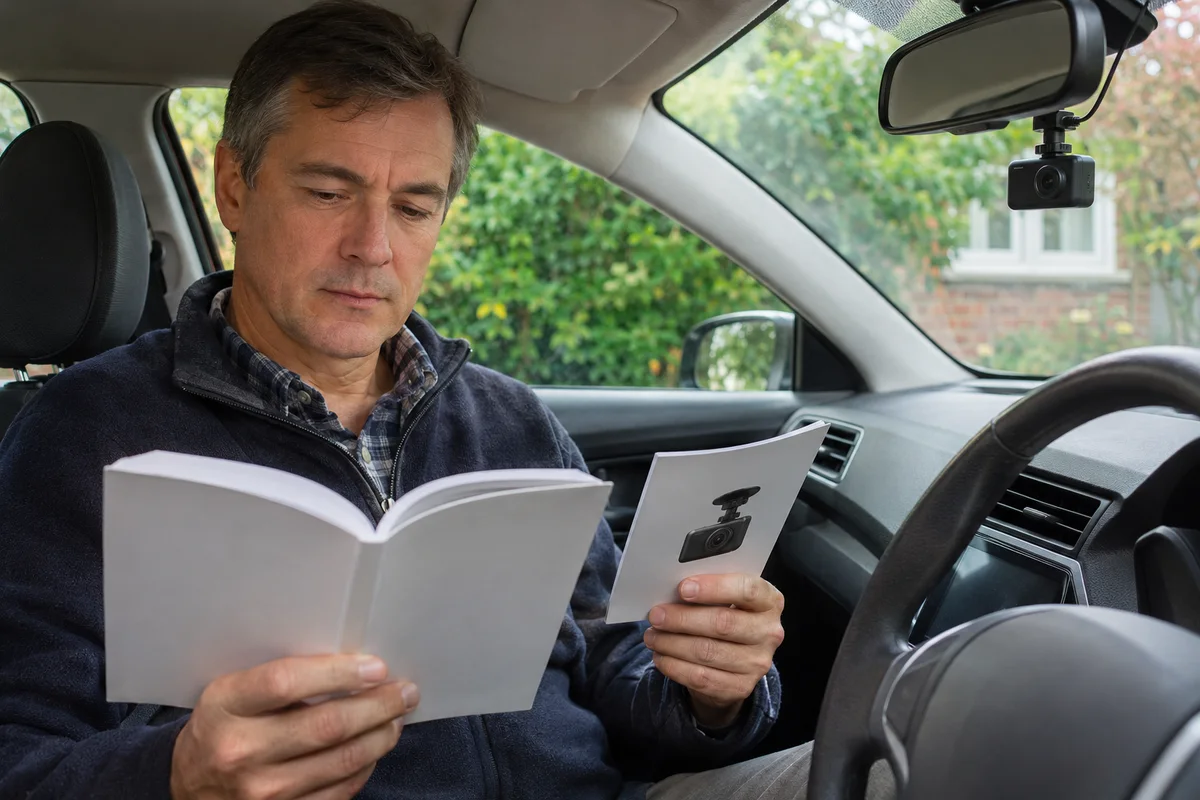
AI-generated scene illustration; not a photograph of the recommended product.
A dash-camera listing mentions an event sensor and protected recordings. A shopper calls it a vehicle black box and expects it to supply the same information as the car’s event data recorder. The shared word “event” hides two different kinds of record.
For VIOFO A329S, separate saved video from the vehicle-system data described by NHTSA. That distinction helps a buyer specify a useful recording task without purchasing a camera on an unsupported reconstruction or diagnostic promise.
The short answer
A329S documents G-sensor-triggered video protection. NHTSA uses EDR in a different sense: vehicle dynamic and system data around a crash event, explicitly excluding devices that merely make audio or video recordings from that definition.
Do not treat a locked dash-cam clip as proof of EDR-equivalent data, crash severity, fault or automatic emergency reporting. The camera can be considered for supported visual recording, not as a substitute for an unverified vehicle-data function.
Contents
- The short answer
- Identify the kind of information
- What a protected clip means
- Keep three records separate
- GPS is another category
- Emergency recording is not emergency notification
- Buying advice
- Questions worth asking before payment
- Frequently asked questions
- Sources and verification
Identify the kind of information
A video can show a scene from an installed camera. A visible stamp or associated GPS information may add context, but it does not turn the recording into every data field available from a vehicle system.
NHTSA’s EDR explanation distinguishes pre-crash dynamics, driver inputs and other system information from an ordinary audio or video record. Its explanation is not an endorsement of this camera.
Keep the information type beside the requirement. “I want front and rear road video” is a camera task. “I need an appropriately retrieved vehicle-system event record” is another task with its own qualified process.
Do not buy a camera because both products have been called black boxes in casual conversation.
What a protected clip means
The A329S manual describes automatic emergency recording that locks footage when its G-sensor is activated, helping prevent ordinary loop overwrite. That describes a video-handling action.
It does not establish the legal significance of the event, complete scene coverage, the cause of an impact or a calibrated reconstruction measurement. A file can be worth preserving without answering all those questions.
Likewise, no locked clip is not proof that nothing happened. Do not infer an event’s existence or absence solely from one protection indicator.
Our save-before-formatting guide covers preserving originals. Protection inside a looping recorder and an independently verified saved copy remain different things.
Keep three records separate
| Record | What to establish | What not to assume |
|---|---|---|
| Camera video | Correct view, time range and original file | Complete vehicle telemetry |
| Camera-associated data | Actual supported recorded information | EDR equivalence |
| Vehicle EDR data | Vehicle-specific availability and qualified retrieval | A dash cam supplies it |
| A sharing copy | Exact exported file and recipient needs | Original evidence preserved automatically |
| A report | Appropriate professional assessment | The device determines fault |
This table is an information map, not a forensic or legal procedure. It helps a household ask for the right material instead of assuming one record contains everything.
If an incident has occurred, obtain appropriate advice before modifying equipment or recordings. Do not use a shopping article as instructions for handling a legal claim.
GPS is another category
A camera’s route or speed-related data should be assessed through its documented playback process. A basic player showing road video does not necessarily reveal every associated field.
The A329S GPS-sharing guide addresses that specific retrieval and privacy task. It does not certify a camera’s data as equivalent to the vehicle’s measurements.
Do not calculate an authoritative crash reconstruction from a stamp, a map screenshot or a frame count without appropriate expertise and applicable evidence.
For ordinary buying purposes, decide whether supported visual context is useful. It can have value without being relabeled as a complete vehicle-state archive.
Emergency recording is not emergency notification
An emergency-file label can be misunderstood as a promise that someone is contacted. Do not infer a communications service from a recording feature.
Check the exact system if remote notification is required. A local camera recording, a phone connection and a service that notifies responders are different capabilities.
NHTSA describes automatic crash notification separately from other driver-assistance functions. This article does not establish such a service for A329S.
A household should not plan emergency response around a camera feature that has not been verified. Use appropriate existing emergency arrangements rather than assuming a protected file calls for help.
Buying advice
Consider A329S when its documented camera views, installation, storage and retrieval routine meet a defined visual-recording need. Include normal checking and preservation work in the purchase decision.
Pass when the essential promise is vehicle EDR replacement, automatic fault determination or another unsupported data service. A larger storage drive does not change the category of information recorded.
If the vehicle already has a supported recorder that meets the visual task, compare whether another system adds genuinely useful views or features. More recorded data is not automatically more usable information.
Read the A329S overview for the broader hardware choice. Confirm the selected package, supported accessories, current seller stock, delivery and return conditions.
The partner offer below is for camera hardware, not a forensic service, EDR retrieval tool or guarantee of a particular claim outcome.
Questions worth asking before payment
Ask which views are actually recorded, how ordinary originals are retrieved and what the event feature specifically does. Keep the exact model and firmware context with the answer.
If a seller uses “black box,” ask them to define it. A familiar phrase should not substitute for an applicable feature list.
If vehicle-system information is essential, ask a suitable qualified source about the actual vehicle and legitimate process. Do not purchase unrelated diagnostic or data tools merely because a search result uses EDR terminology.
Keep sensitive recordings and vehicle information private. A public product review is not the right place to disclose an incident record or unrelated personal details.
Frequently asked questions
Does a locked clip mean the camera is a vehicle EDR?
No. File protection and the vehicle-system data category described by NHTSA are different functions.
Does the G-sensor decide who caused an incident?
No such determination is established. Preserve relevant material and obtain appropriate professional advice.
Does emergency recording automatically contact responders?
Do not infer a notification service from a recording label. That capability requires its own verification.
Is this a legal evidence guide?
No. It explains product scope and information categories. It does not advise on claims, admissibility or forensic retrieval.
Sources and verification
Checked November 22, 2026. No crash, sensor, vehicle-data or evidentiary assessment.
- NHTSA explanation of event data recorders
- A329S official manual, emergency video recording
- NHTSA driver-assistance technology definitions
Keep reading
Related guides
 Garage & Workshop
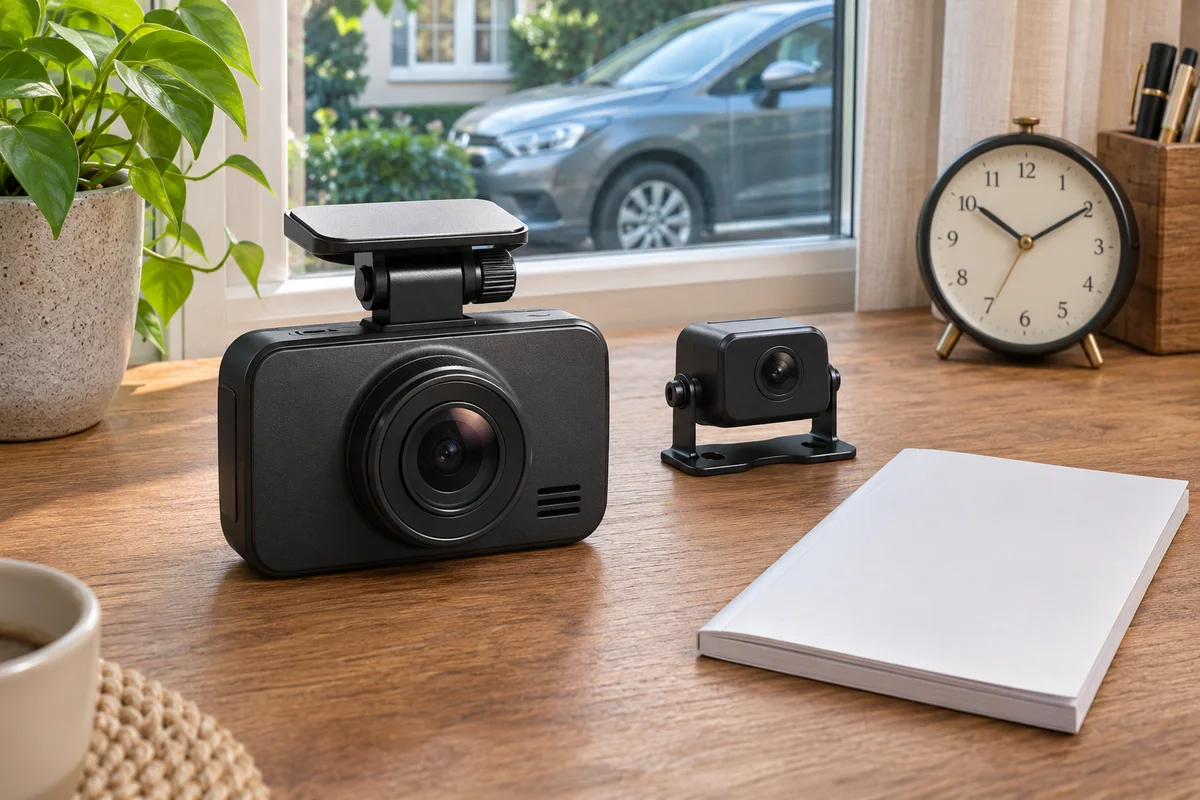
A229 Plus Rear HDR: Auto Follows the Front Timer
Check the A229 Plus rear Auto HDR dependency on the front timer before expecting independently scheduled front and rear recording.
Read guide →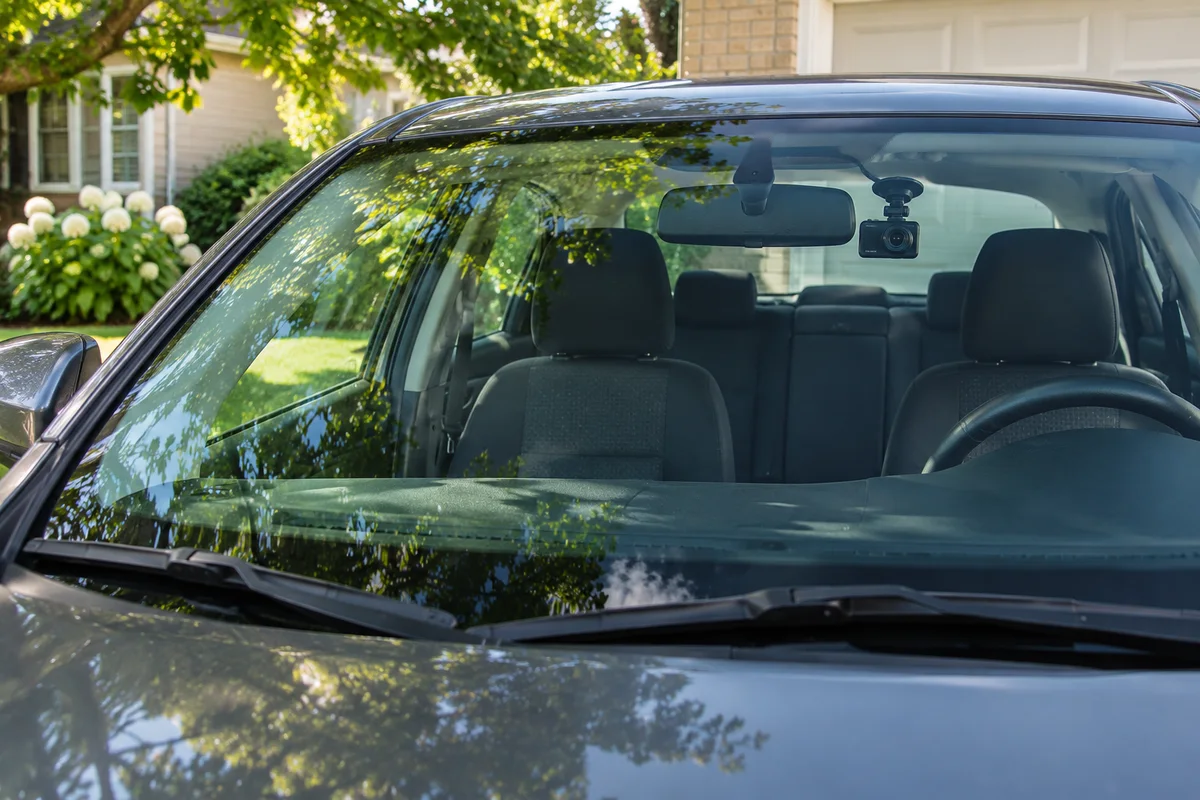 Garage & Workshop
A329S Parking Heat: Read the Separate Limits
Read A329S hot-weather parking and external-SSD conditions separately before promising coverage in a warm parked vehicle.
Read guide →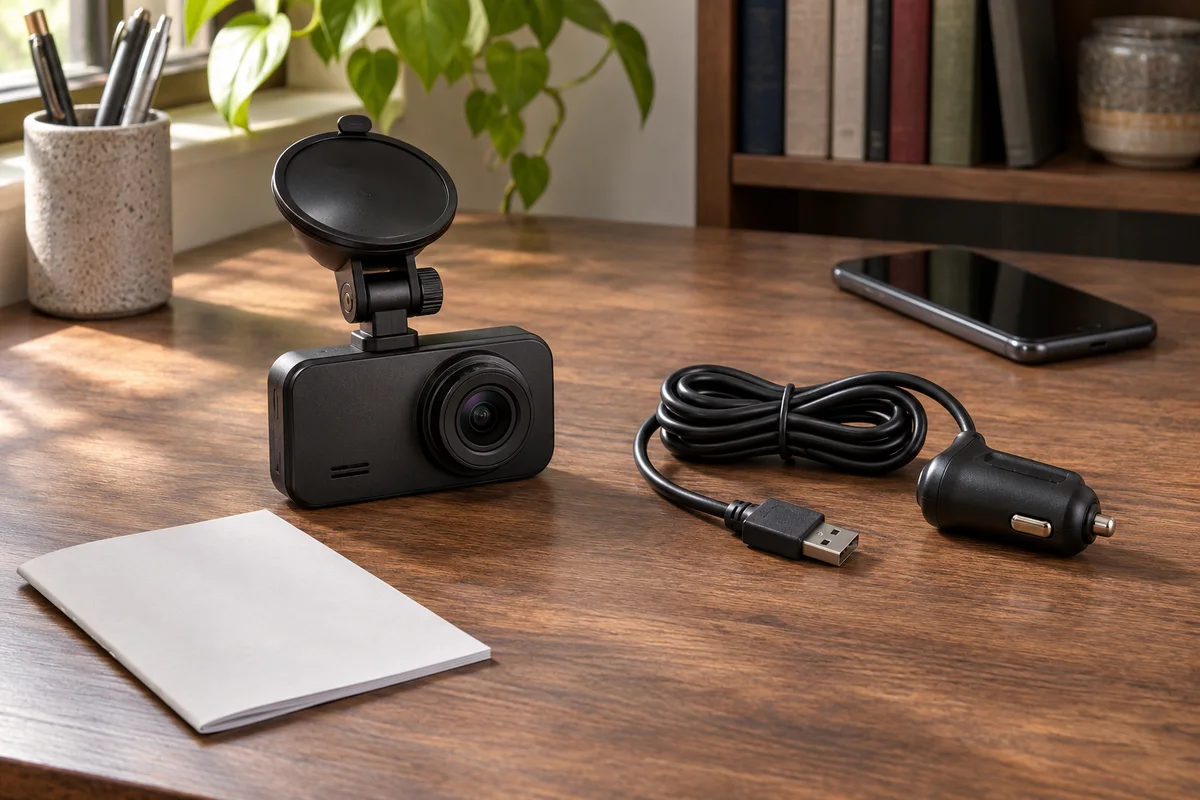 Garage & Workshop
A229 Plus Supercapacitor: Not an Untethered Camera
Understand A229 Plus supercapacitor terminology and qualify the real power arrangement before expecting untethered recording.
Read guide →