
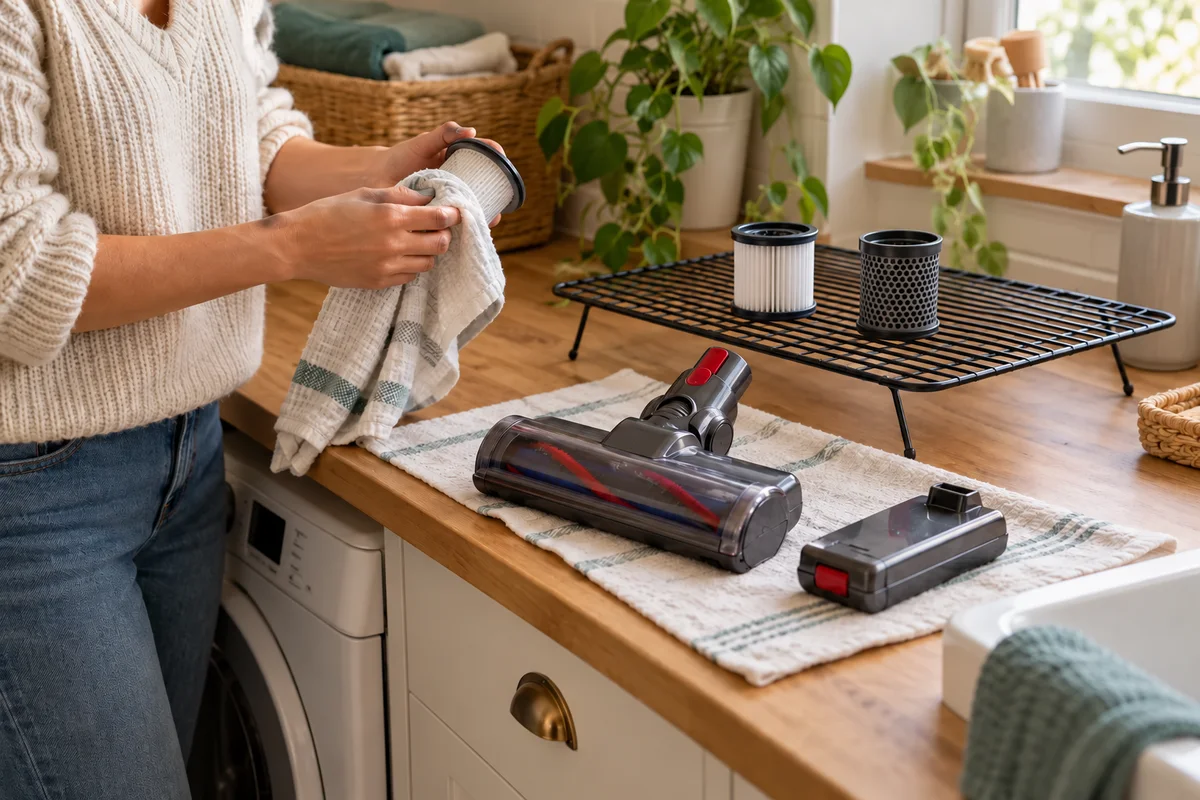
AI-generated scene illustration; not a photograph of the recommended product.
A kitchen cleanup turns into a maintenance job: the vacuum’s cup is dusty, the filter needs attention and the floorhead has collected threads. It is tempting to carry the whole collection to the sink. For Eureka NEC440, that shortcut crosses an important boundary between washable parts and an electrically powered assembly.
The short answer
The NEC440 manual allows hand washing the removed cyclone parts and specifies cold-water hand cleaning for the removed post-motor filter, followed by complete drying before reassembly. It explicitly says the floor nozzle should not be cleaned with water. Identify each part before cleaning; “washable filter” does not mean “washable vacuum.”
The product page also advises against putting the dust cup in a dishwasher. Use the exact manual supplied with your machine if its revision differs. Do not invent a drying time or transfer another brand’s instructions.
Contents
- Sort the components before opening the tap
- Keep the floorhead on the dry side
- Plan for complete drying rather than a deadline
- Treat a warning as a reason to inspect
- Make a maintenance card the household can use
- Buy around the maintenance you will actually do
- Frequently asked questions
- Sources and verification
Sort the components before opening the tap
Start with the machine off and follow the manual’s disconnection and battery-removal precautions. Set aside the body, battery, charger and electrical floor nozzle. Keep them away from the washing area rather than balancing them on the edge of a sink.
Use the exploded drawings to identify the cyclone and post-motor filter. A familiar-looking plastic piece may still be part of a different assembly. If you cannot identify it confidently, stop and ask support instead of testing whether it tolerates water.
For a shared household, one useful rule is to leave the manual open to the relevant illustration while parts are separated. This is not a substitute for reading the instructions, but it prevents someone returning halfway through and treating every loose component as a washable item.
The bagless emptying guide covers access to the bin and handling debris. This article’s different task is deciding what may enter the wash area and what must remain dry.
Keep the floorhead on the dry side
The NEC440 floor nozzle contains powered components. The manual’s no-water instruction remains applicable even though the machine has an anti-tangle nozzle and the cyclone can be washed.
The documented floorhead maintenance involves removing the nozzle, releasing the side cover and removing accumulated threads or strings from the assembly. Follow the illustrations and battery-removal warning. Do not run the brush while touching it, force a stuck cover or open parts outside the user-maintenance procedure.
Anti-tangle describes a design feature, not a promise that no inspection is needed. Hair and threads can still require attention. Avoid confusing this dry floorhead service with the cleaning method for a wet-and-dry floor washer.
If the nozzle has accidentally been wetted, do not assume waiting a familiar number of hours makes it safe. Leave it disconnected and ask Eureka for the appropriate next step. This guide does not qualify water-damaged electrical equipment for reuse.
Plan for complete drying rather than a deadline
After the permitted parts are cleaned, keep them separated in a suitable clean drying area. The manual’s requirement is fully dry before reassembly. It does not establish a universal household countdown that overrides the condition of the part.
A humid utility room, a tightly packed rack and a thick filter do not behave like a thin cup left in an airy space. Plan maintenance when you can leave the machine unavailable rather than promising to finish immediately before guests arrive.
Do not accelerate drying with an oven, hair dryer or a heater unless the manufacturer expressly permits the method. A practical schedule cannot justify a new heat exposure. Do not reinstall a damp part because its outside looks dry.
A supported spare could reduce downtime, but verify the exact part and availability first. An online filter described broadly as “for Eureka cordless” is not enough evidence. A second filter also does not remove the need to clean the cyclone and inspect the rest of the air path.
Treat a warning as a reason to inspect
The manual distinguishes the maintenance indicator from the Auto-mode dust and Boost indicators. A maintenance warning can be associated with blockage; it is not simply a request to select higher suction.
Check the ordinary user-service areas identified in the manual, including a full cup, blocked wand and clogged filters. Do not deliberately create a blockage to test the indicator. If symptoms persist after supported maintenance, stop and contact service rather than repeatedly restarting the machine.
Our NEC440 mode and runtime guide explains the power-mode side of the purchase. Increasing output cannot be assumed to solve a restricted air path. Equally, an indicator going out does not independently prove the filter is dry or correctly installed.
Keep observations factual for support: what indicator appeared, what the machine was doing, which permitted checks were completed and whether the symptom returned. Avoid claiming a motor or sensor has failed without a diagnosis.
Make a maintenance card the household can use
| Component or task | Boundary to keep visible |
|---|---|
| Cyclone parts | Hand wash only as illustrated; fully dry before assembly |
| Post-motor filter | Removed part, cold-water hand cleaning, complete drying |
| Floor nozzle | No water cleaning; follow dry service procedure |
| Dust cup | Product FAQ advises against dishwasher cleaning |
| Battery, charger and body | Not part of the filter-washing process |
| Unidentified part | Ask before applying a cleaning method |
Add the manual revision and model to the card. Do not write a guessed replacement interval or drying duration into an otherwise accurate checklist.
Keep a small place for the maintenance date and any support reference. The purpose is to prevent conflicting household methods, not to manufacture a laboratory record or imply measured cleaning performance.
Buy around the maintenance you will actually do
NEC440BK can make sense if cordless cleaning suits the home and you can manage part identification, dry nozzle service and drying downtime. The convenience of quick floor cleaning is only part of ownership.
Compare another design when the household requires wet pickup, cannot accommodate drying parts or expects every attachment to tolerate a dishwasher. Those are real requirements rather than failures to appreciate a feature list.
The partner link below leads to the complete NEC440BK vacuum, not a replacement filter or floorhead. Check the exact bundle and obtain part confirmation separately if the purchase depends on keeping a spare ready.
Frequently asked questions
Can I wash the floor nozzle because the filter is washable?
No. The manual explicitly separates them and prohibits water cleaning of the floor nozzle.
Is there a guaranteed drying time?
This guide does not establish one. The manual requires complete drying, and the actual conditions matter.
Does anti-tangle mean the roller never needs cleaning?
No. Eureka still gives a floorhead inspection and debris-removal procedure. Follow it with the required precautions.
Should I buy a new vacuum when suction drops?
Not automatically. Follow supported checks and seek a diagnosis before replacing the machine or buying speculative parts.
Sources and verification
Checked October 21, 2026. This is a component-permission guide, not a measured suction or drying test. No cleaning procedure was performed on a physical NEC440.
- Eureka NEC440 user manual — printed pages 8–13, component cleaning and warning distinctions.
- Eureka ReactiSense 440 product page — dust-cup dishwasher FAQ and brushroll maintenance context.
Keep reading
Related guides
 Cleaning
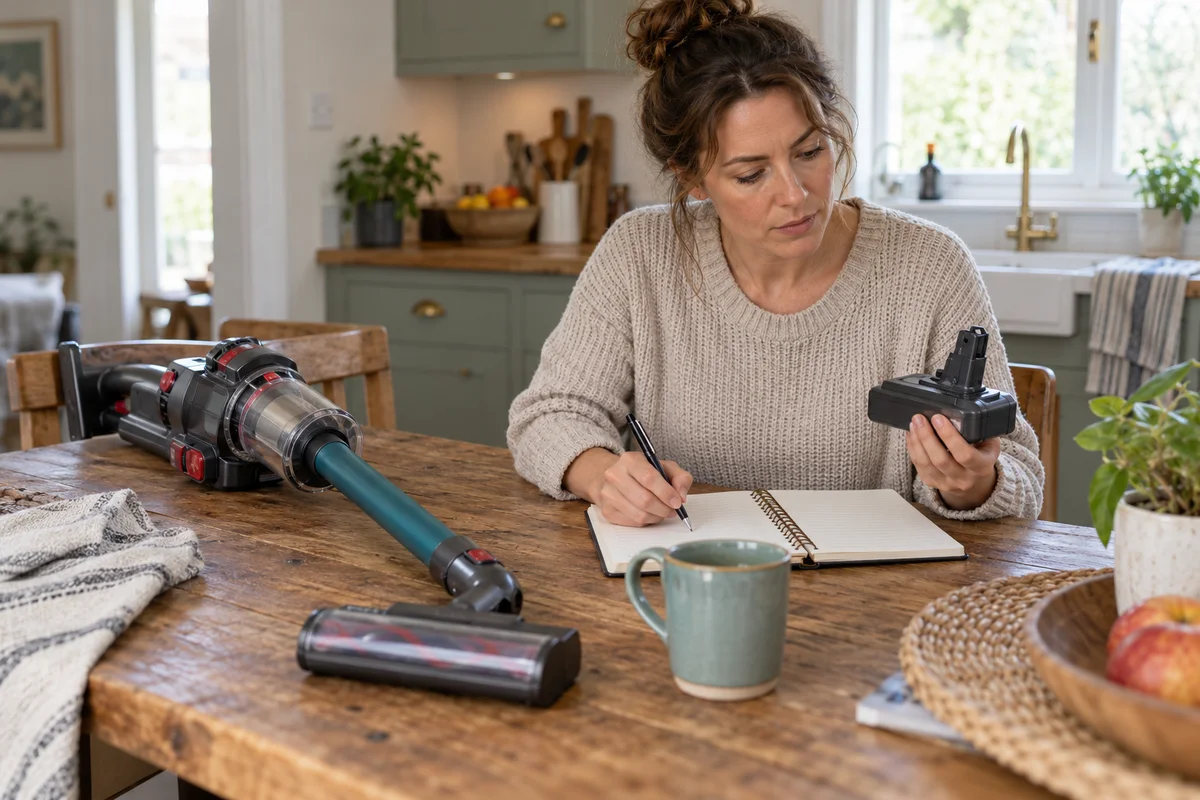
Eureka NEC440 Spare Battery: Verify the Part First
Verify NEC440BK battery and charger identifiers, resolve an inconsistent official accessory page and compare the real single-pack purchase.
Read guide →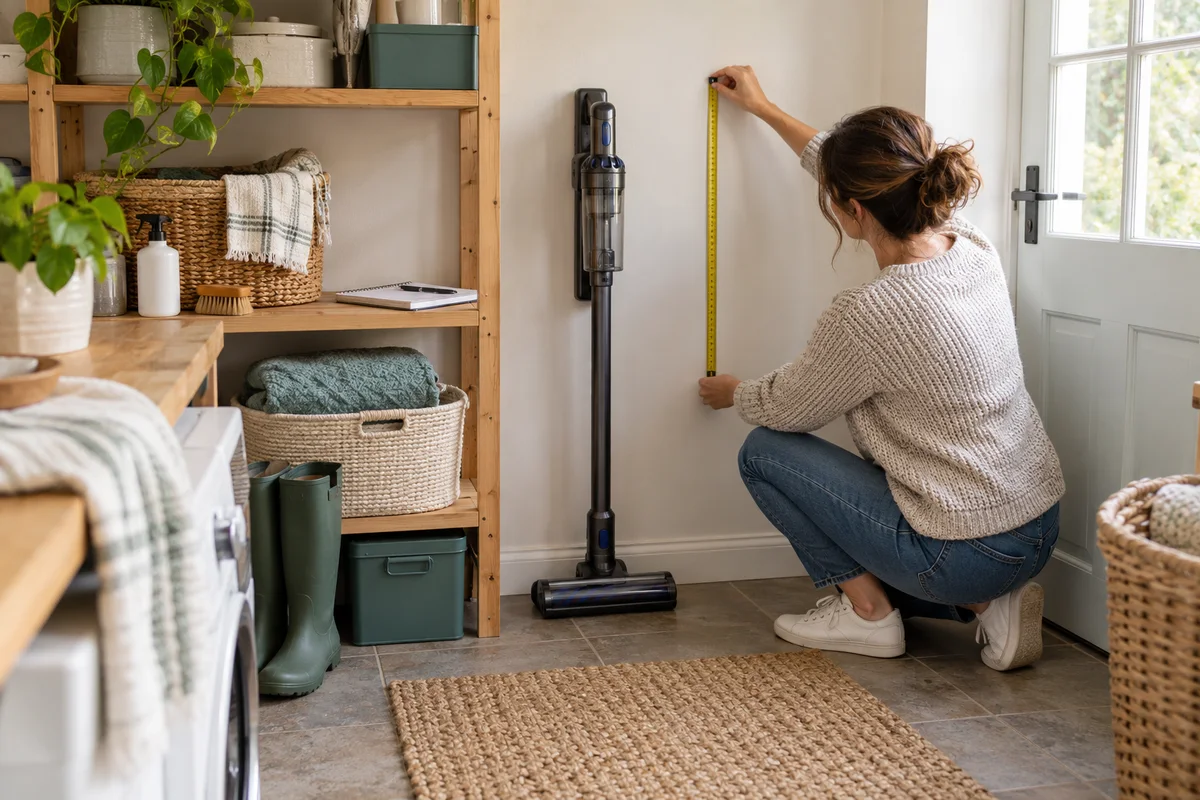 Cleaning
Eureka NEC440 Wall Mount: Plan the Parking Spot
Check NEC440BK wall suitability, mounting height, removal clearance and charging access before choosing a cordless vacuum for a small home.
Read guide →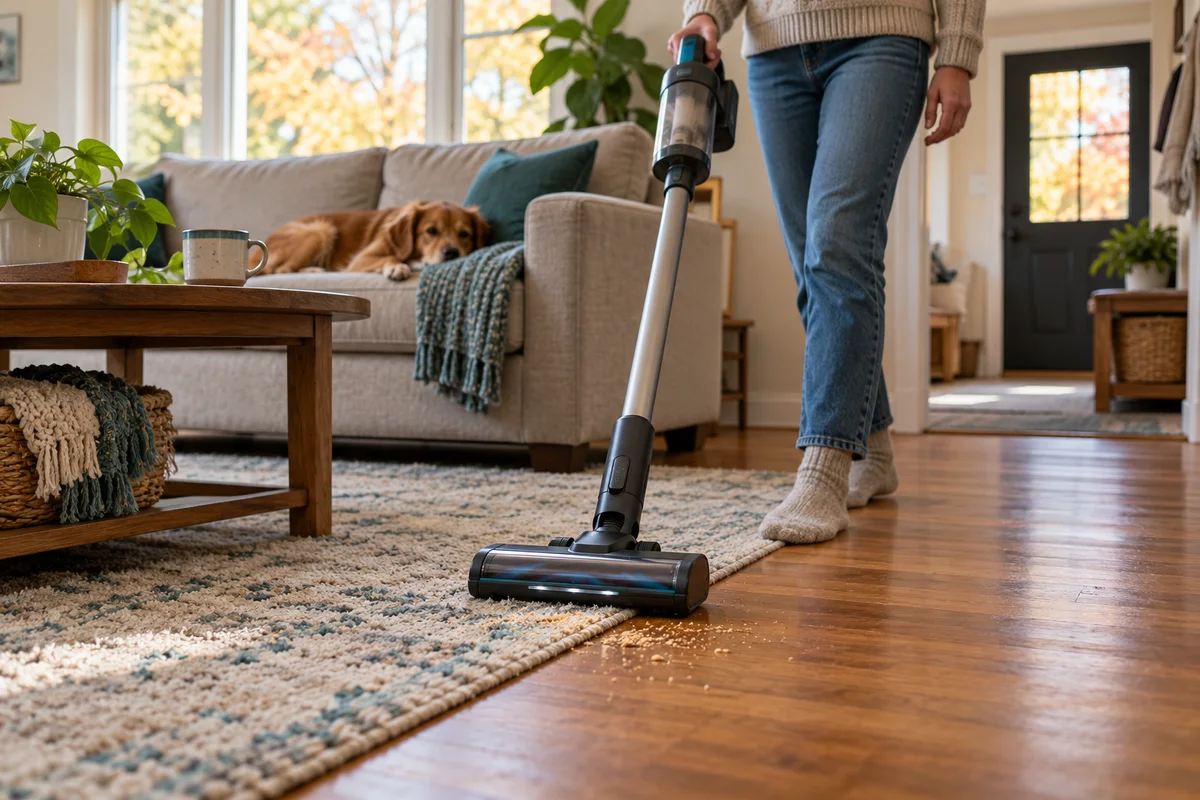 Cleaning
Eureka NEC440 Auto Mode: Do Not Budget 60 Minutes
Plan mixed-floor cleaning around the Eureka NEC440's variable Auto runtime, Boost behavior and maintenance signals, not the longest headline.
Read guide →