
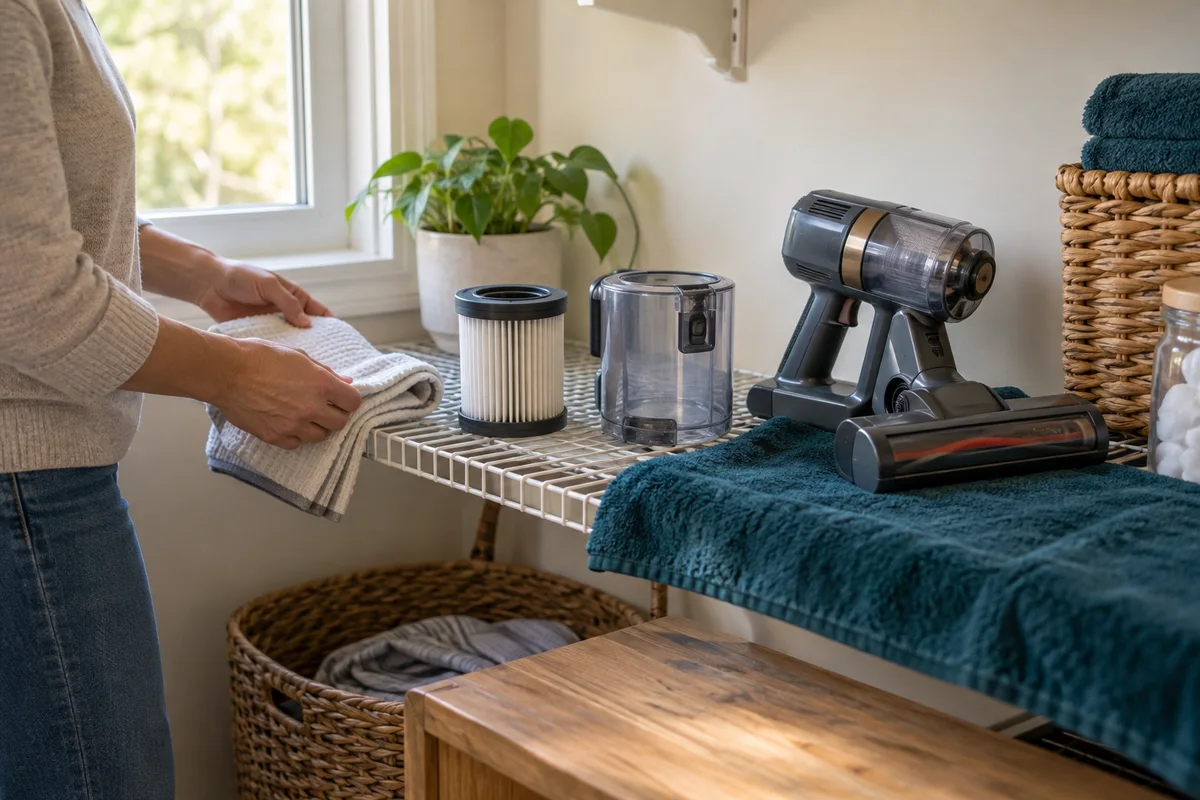
AI-generated scene illustration; not a photograph of the recommended product.
It is Sunday evening, the living-room rug finally looks clean, and the vacuum filter is next on the list. Washing it now seems efficient until somebody spills dry cereal before breakfast and the only filter is still damp. The overlooked cost of a washable filter is not the water. It is the period when the vacuum should remain out of service.
For a Dreame Z30 purchase, put maintenance downtime beside suction and battery claims. A household with one vacuum, pets, and no suitable drying spot needs a different plan from a household that can leave components undisturbed overnight.
The short answer
The official Z30 manual tells owners to allow the washed filter to air dry for 24 hours and to use clean water without detergent. Treat complete drying as a prerequisite, not an optional shortcut. Check your supplied regional manual before disassembly.
Plan a final cleanup before washing, a protected drying location, and a fallback for the next day’s small messes. Buy a spare only after confirming that the exact genuine part is compatible. This is maintenance planning based on published instructions, not a test of cleaning performance.
Contents
- Choose the maintenance window
- Separate washable parts from electrical parts
- Give the filter a drying location
- Write a reassembly card
- Decide whether a spare earns its place
- Compare the ownership routine
- Frequently asked questions
- Sources and verification
Choose the maintenance window
Start with the next time the vacuum will be needed. A wash immediately before visitors arrive is a poor choice even if the calendar calls it cleaning day. Finish the dry-floor cleanup first, then begin maintenance when the household can tolerate the interruption.
Keep two reminders: when components were washed and when they can first be assessed for reassembly. The second reminder should not read “automatically reinstall.” It should read “check instructions, drying, and condition.” A timer cannot inspect moisture, damage, or a missed component for you.
In a shared home, tell the other user that the machine is unavailable. Leaving an incomplete vacuum beside its usual charging place invites an attempt to use it. A simple note in the household’s own system is enough; you do not need another app or a complicated maintenance dashboard.
Separate washable parts from electrical parts
Do not turn “washable filter” into “washable vacuum.” Follow the manual’s component diagrams to identify what may be rinsed and what must stay dry. Switch off and disconnect the appliance as directed before handling components.
Set up a dry landing area before opening anything. Keep the motor body, battery, charger, and electrical connections away from the washing operation. If you cannot confidently identify a component, stop and ask manufacturer support rather than testing whether it survives water.
For buyers, this is a practical inspection question. Can the filter be removed without an awkward reach? Are the instructions clear enough for the person who will actually perform maintenance? A machine that depends on one technically confident household member may be less convenient than its advertising suggests.
Give the filter a drying location
Choose a clean place where the component can remain undisturbed, away from splashes, pets, children, and fresh dust. Do not rely on a crowded sink edge that must be cleared for the next meal. Space reserved for drying is part of the product’s real footprint.
Do not improvise accelerated drying with an oven, hair dryer, radiator, or another heat source. Use only a method explicitly permitted by the manufacturer. If a component is not fully dry when the minimum period has passed, waiting is preferable to guessing.
A small apartment can still support this routine, but it needs a deliberate place. Before ordering, put an ordinary household object roughly where the filter would dry and leave it there through a normal morning. If everyone has to move it repeatedly, solve that conflict first.
Write a reassembly card
Keep the card with the manual, not buried in an online order history. Record the model, the manual version you checked, which components were removed, where each one is drying, and when you started. A phone photo of the original arrangement can help memory, but it does not replace the diagram.
Before reassembly, check that all required parts are present, completely dry, undamaged, and correctly positioned. Do not force a latch that no longer seats as expected. The right response to a cracked component or uncertain seal is support advice or an approved replacement.
After reassembly, use the manufacturer’s normal verification process. Notice unusual sounds, errors, or poor pickup and stop if something seems wrong. Do not repeatedly run an improperly assembled machine in the hope that it will clear itself. This card is a memory aid, not permission to depart from the instructions.
Decide whether a spare earns its place
A spare filter is worth considering when the vacuum must be available frequently and a normal wash creates a genuine scheduling problem. It is less compelling when maintenance can happen during a quiet period and an ordinary broom already covers small dry messes.
Ask support for the exact part number and compatibility with the Z30 version being sold. Similar-looking filters and adjacent Z-series names are not enough. Check stock, shipping, and the approved storage and replacement guidance before adding accessories to the cart.
Compare the spare with the inconvenience it removes. You might reasonably pay for an uninterrupted household routine. You should not buy several parts merely because a bundle suggests they are essential. Spare ownership also requires somewhere clean to keep the dry part and a way to distinguish its condition.
Compare the ownership routine
Make a three-column shortlist: ordinary cleanup, scheduled maintenance, and recovery when something goes wrong. In the first column, write your actual surfaces and messes. In the second, include access and drying. In the third, include support, replacement parts, and your fallback tool.
The Z30 can be a sensible candidate when its supported attachments and dry-floor use match your home and this maintenance routine fits your week. It is a less suitable purchase if you expect to rinse the whole machine or resume cleaning immediately after washing.
Our cordless-vacuum apartment guide covers the wider category. This checklist narrows one ownership detail that headline specifications cannot settle. Check the current partner listing after the maintenance plan works, not before.
Frequently asked questions
Can I reinstall the filter as soon as it feels dry outside?
Do not use an exterior touch check to shorten the manufacturer’s drying instruction. Follow the supplied manual and verify complete drying before reassembly.
Does washing mean every component can go under the faucet?
No. Identify approved washable components individually. Electrical parts and connections must not be treated like a removable filter.
Should every Z30 buyer order a second filter?
No. First assess downtime and verify exact part compatibility. A spare solves a scheduling problem; it is not automatically a necessary purchase.
Sources and verification
Checked October 13, 2026. These are manufacturer instructions, not our hands-on results. The linked Global manual is for Z30 V2406; confirm your regional supplied version.
- Dreame Z30 official product information
- Dreame Z30 V2406 official manual, English maintenance section
Keep reading
Related guides
 Cleaning
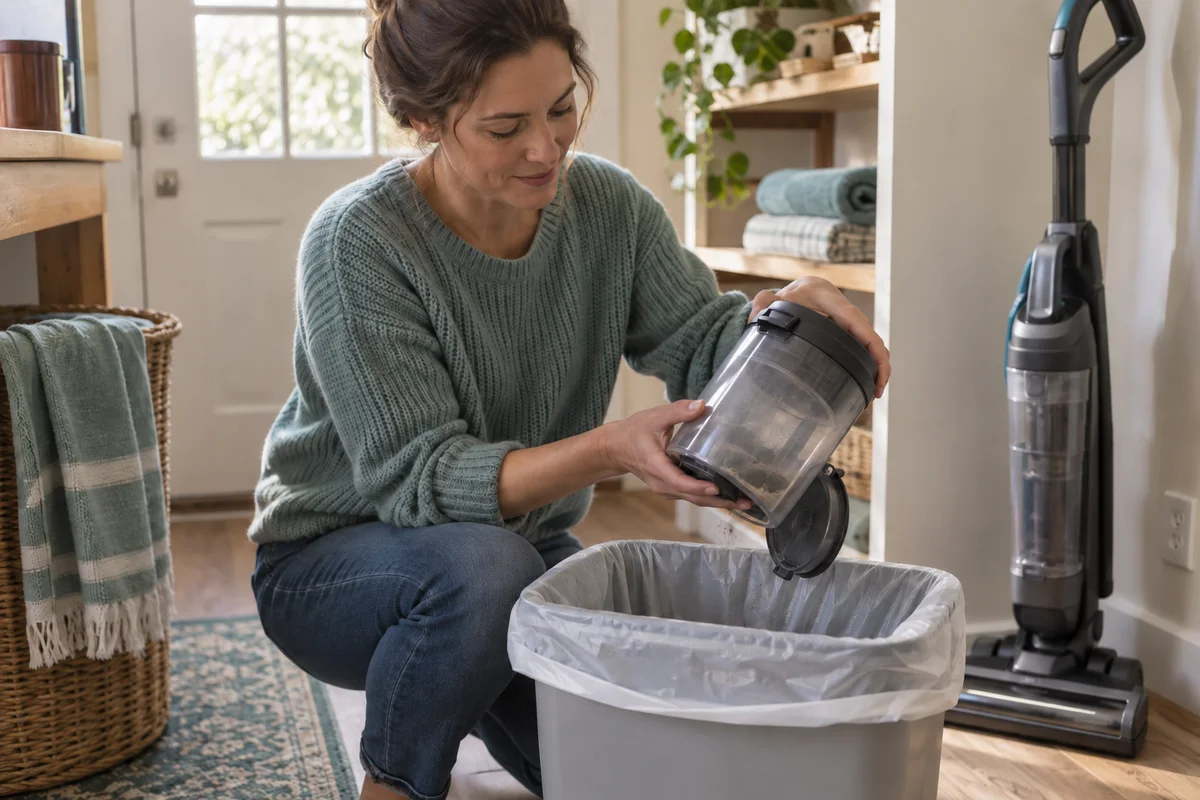
Bagless Vacuum Emptying: Check the Bin Before Buying
Assess Z30 bin access, the correct release controls, waste-bin reach, and shared-household cleanup before choosing a bagless vacuum.
Read guide →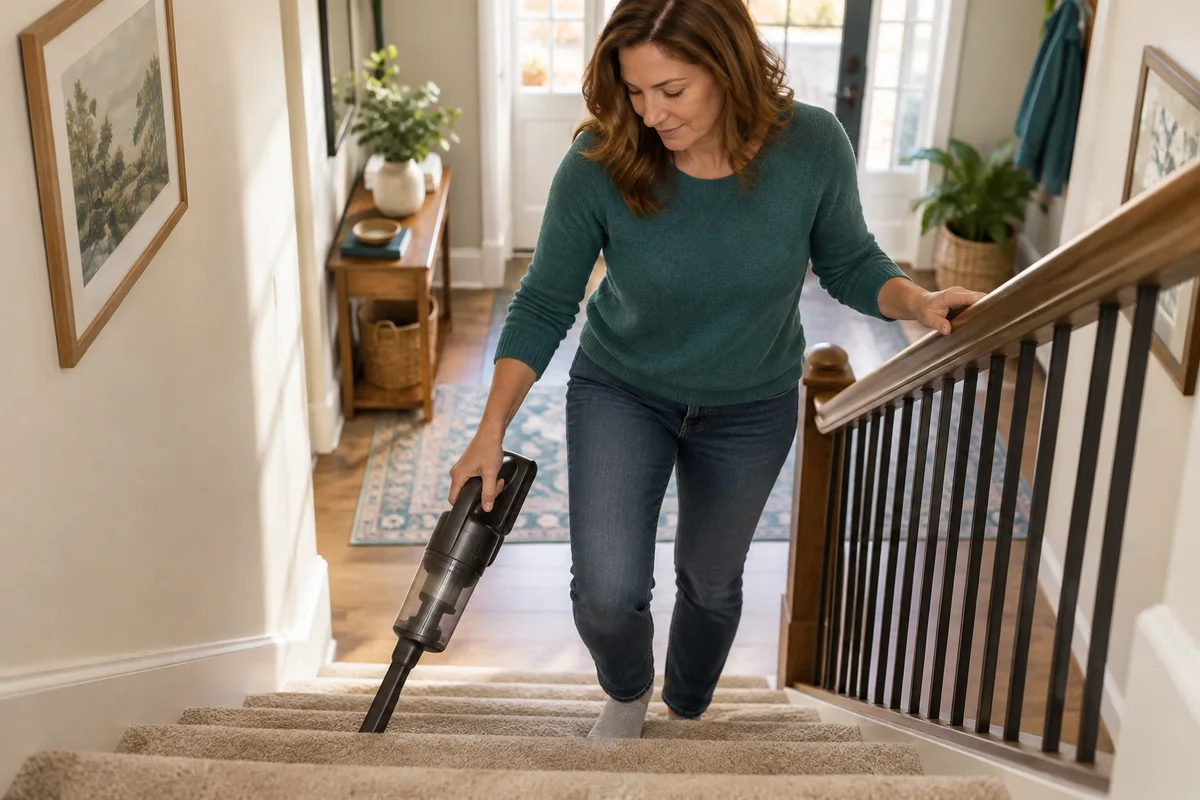 Cleaning
Buying a Cordless Vacuum for Stairs: Check the Grip
Evaluate a cordless vacuum for stairs using handheld weight, reach, compatible attachments, floor materials, and a safe cleaning sequence.
Read guide →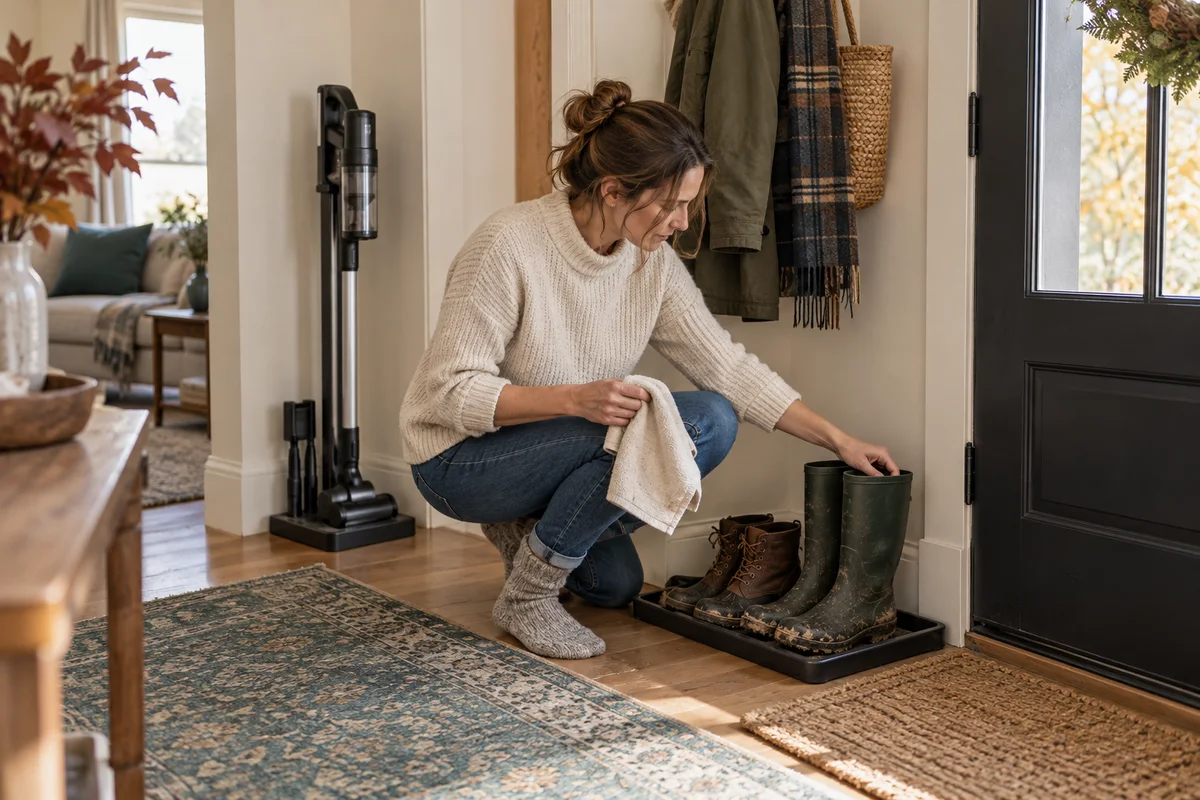 Cleaning
Can the Z30 Clean Wet Mud? Separate the Entryway Jobs
Separate wet mud, hazardous debris, and ordinary dry grit before choosing a Z30 for the indoor part of an autumn entryway routine.
Read guide →