

The caddy swings from the showerhead, tall bottles tip, and water pools beneath a soap dish. Rental bathrooms need secure removable storage without turning the plumbing fixture into an overloaded hook.
This guide does not claim hands-on testing of every option on the market. It translates an everyday household problem into a practical buying checklist, so you can compare current products against your own room, routine, and tolerance for maintenance.
The quick answer
Choose the mounting style only after identifying suitable surfaces and lease limits. Prioritize drainage, bottle height, rust-resistant construction appropriate to the environment, and a load that remains safely within published guidance.
What to look for before you buy
Start with the constraint that creates the most friction in your home. A feature is valuable only when it changes that constraint without adding a harder storage or cleaning problem.
Choose a legal mount
Tension poles, over-door hooks, showerhead hangers, and adhesive shelves need different clearances and surfaces. Confirm the shower and lease rules.
Count current bottles
Measure the tallest pump and widest jar. Do not size around a product collection you plan to reduce.
Keep water moving
Open wire or slotted bases drain more easily than deep solid trays. Look for removable parts you can scrub.
Choose by household scenario
The same product format can be helpful in one room and irritating in another. Use these scenarios as a shortlist, then verify dimensions, care instructions, and current availability on the seller or manufacturer page.
Smooth tile
Adhesive systems may work when installed exactly as directed and removed without violating rental rules.
No suitable wall
A stable tension pole or over-door format avoids adhesive, provided clearances and weight limits fit.
Shared shower
Separate reachable shelves by person so bottles do not form one unstable row.
What not to overpay for
A long feature list can distract from fit. Skip complexity that does not remove a repeated household step, and be cautious when a specialized replacement part is essential to basic use.
- Hanging heavy storage from plumbing not intended for it.
- Using adhesive on incompatible, textured, or damp surfaces.
- Choosing closed trays that hold water around bottles.
Make the purchase survive real life
Return bottles with caps closed, remove empty containers immediately, and rinse the caddy weekly. Inspect mounts, adhesive edges, tension, and corrosion before adding replacement products.
Before ordering, take one final measurement and decide where the item will live when it is not being used. That single decision prevents many useful products from becoming visible clutter.
Frequently asked questions
Do suction cups work long term?
Performance depends on surface, cleanliness, cup design, load, and moisture. They are not reliable on every wall.
Can a caddy hang from the showerhead?
Only if the design and plumbing situation allow it without strain. Follow product and fixture guidance.
How much extra capacity is useful?
One spare slot is flexible; large unused capacity invites weight and clutter in a wet zone.
Keep reading
Related guides
 Bedroom & Bath
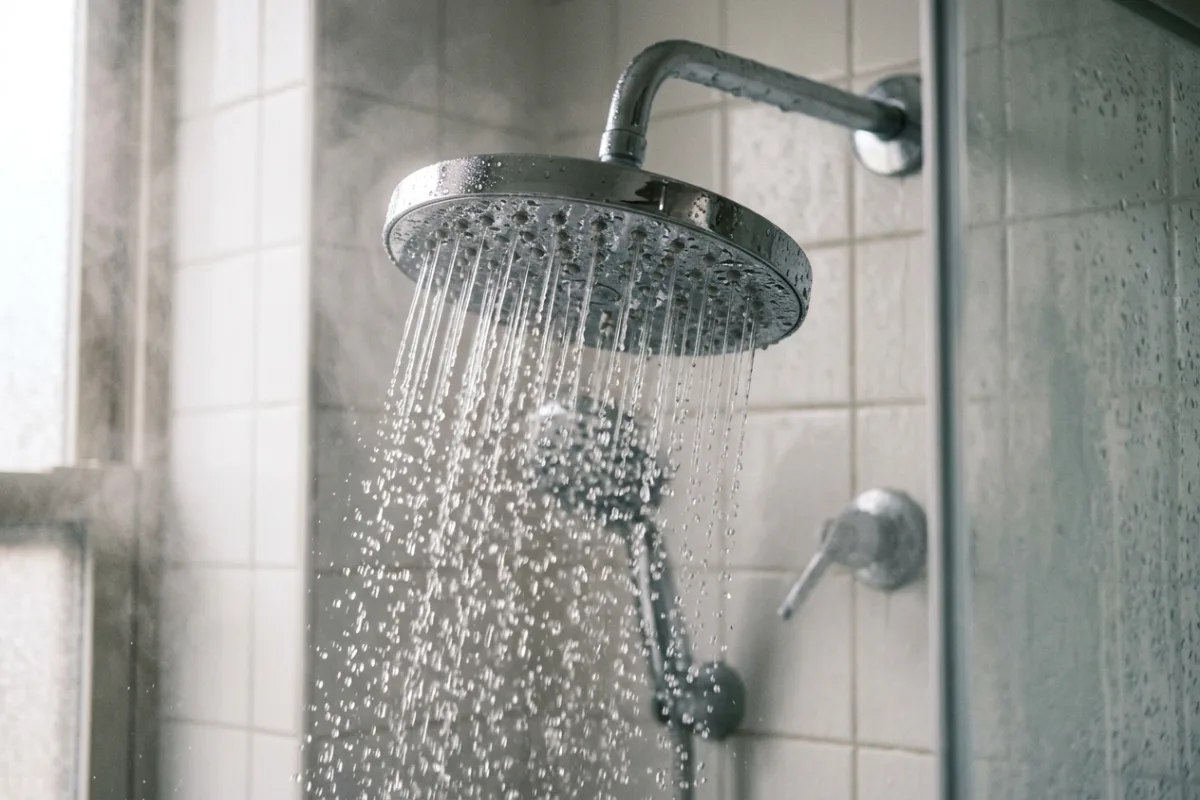
SparkPod Rain Shower Head: A Tool-Free Upgrade for Rental Bathrooms
This tool-free 6-inch rain shower head lets renters swap out a weak, dated shower head in minutes and put the original back before the move-out inspection.
Read review → Bedroom & Bath
Choosing Bed Sheets for Hot Sleepers Without Marketing Hype
Compare fiber, weave, weight, fit, and care around a warm bedroom instead of treating thread count as the whole story.
Read guide → Bedroom & Bath
Pillow Protectors: The Quiet Layer That Extends Bedding Life
Add a washable barrier without changing pillow loft, trapping heat, or creating a noisy layer beneath the case.
Read guide →