

The room is tidy at 8 a.m. and active by 6 p.m.: a blanket, blocks, a magazine, headphones, and a half-finished project all need temporary homes. Baskets work best as pause buttons, not places where every object disappears indefinitely.
This guide does not claim hands-on testing of every option on the market. It translates an everyday household problem into a practical buying checklist, so you can compare current products against your own room, routine, and tolerance for maintenance.
The quick answer
Choose one basket per recurring category, sized to its natural limit and located where the item is used. Soft-sided baskets suit throws and toys; structured baskets help papers and smaller objects remain visible.
What to look for before you buy
Start with the constraint that creates the most friction in your home. A feature is valuable only when it changes that constraint without adding a harder storage or cleaning problem.
Name the category first
A basket for “living room stuff” will collect everything. Throws, children’s toys, and current reading each need different access.
Check hand feel
Handles, rim stiffness, and interior texture matter when the basket moves daily or holds delicate fabrics.
Measure the parking spot
Include baseboards, table legs, and the walkway. A beautiful basket is still furniture by volume.
Choose by household scenario
The same product format can be helpful in one room and irritating in another. Use these scenarios as a shortlist, then verify dimensions, care instructions, and current availability on the seller or manufacturer page.
Throws and pillows
A large soft basket allows quick folding and does not need internal dividers.
Children’s rotation
Two low reachable baskets support broad categories and a fast evening reset.
Current projects
A handled structured basket keeps supplies together and can move when the coffee table is needed.
What not to overpay for
A long feature list can distract from fit. Skip complexity that does not remove a repeated household step, and be cautious when a specialized replacement part is essential to basic use.
- Buying baskets before assigning contents.
- Rough interiors that snag knits or textiles.
- Deep baskets for tiny items that vanish at the bottom.
Make the purchase survive real life
Reset by category, not by perfect arrangement. Once a week, remove objects that belong in another room and keep the basket’s volume as a hard limit. If it overflows, edit the category before buying its twin.
Before ordering, take one final measurement and decide where the item will live when it is not being used. That single decision prevents many useful products from becoming visible clutter.
Frequently asked questions
Should living-room baskets match?
A shared material or palette can look calm, but different shapes may serve categories better. Function should lead.
Are lids useful?
They hide contents but add a step. Use them for dust control or occasional storage, not fast daily resets.
What size is best for toys?
Low enough for safe access and shallow enough that children can see categories without emptying everything.
Keep reading
Related guides
 Everyday Living
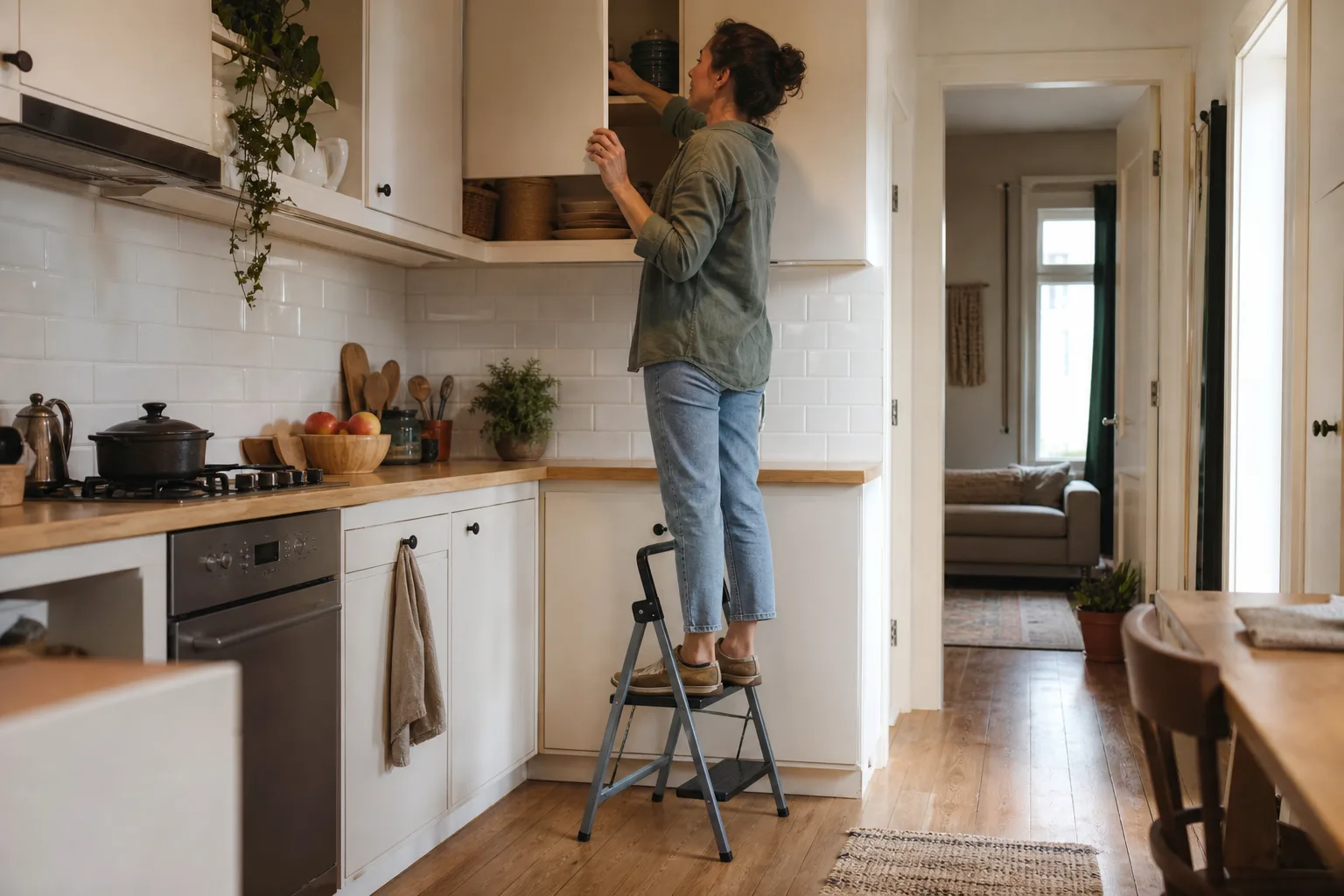
The Foldable Step Stool Every Small Home Eventually Needs
Choose stability, standing height, lock behavior, and a storage position that does not make safe access inconvenient.
Read guide →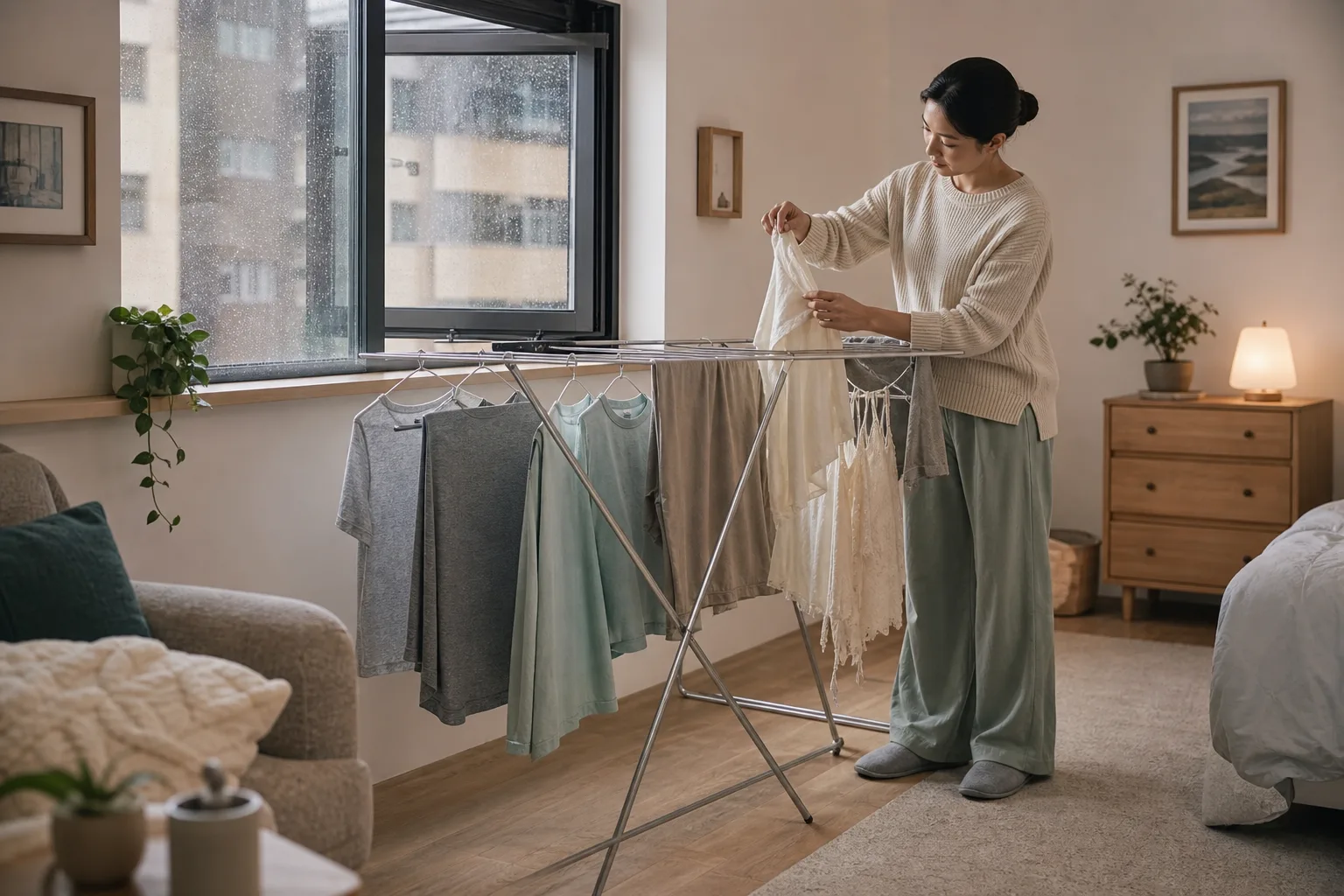 Everyday Living
Indoor Drying Racks for Rainy Weeks and Delicate Laundry
Balance hanging length, airflow, loaded stability, folded size, and the walkway the rack temporarily occupies.
Read guide →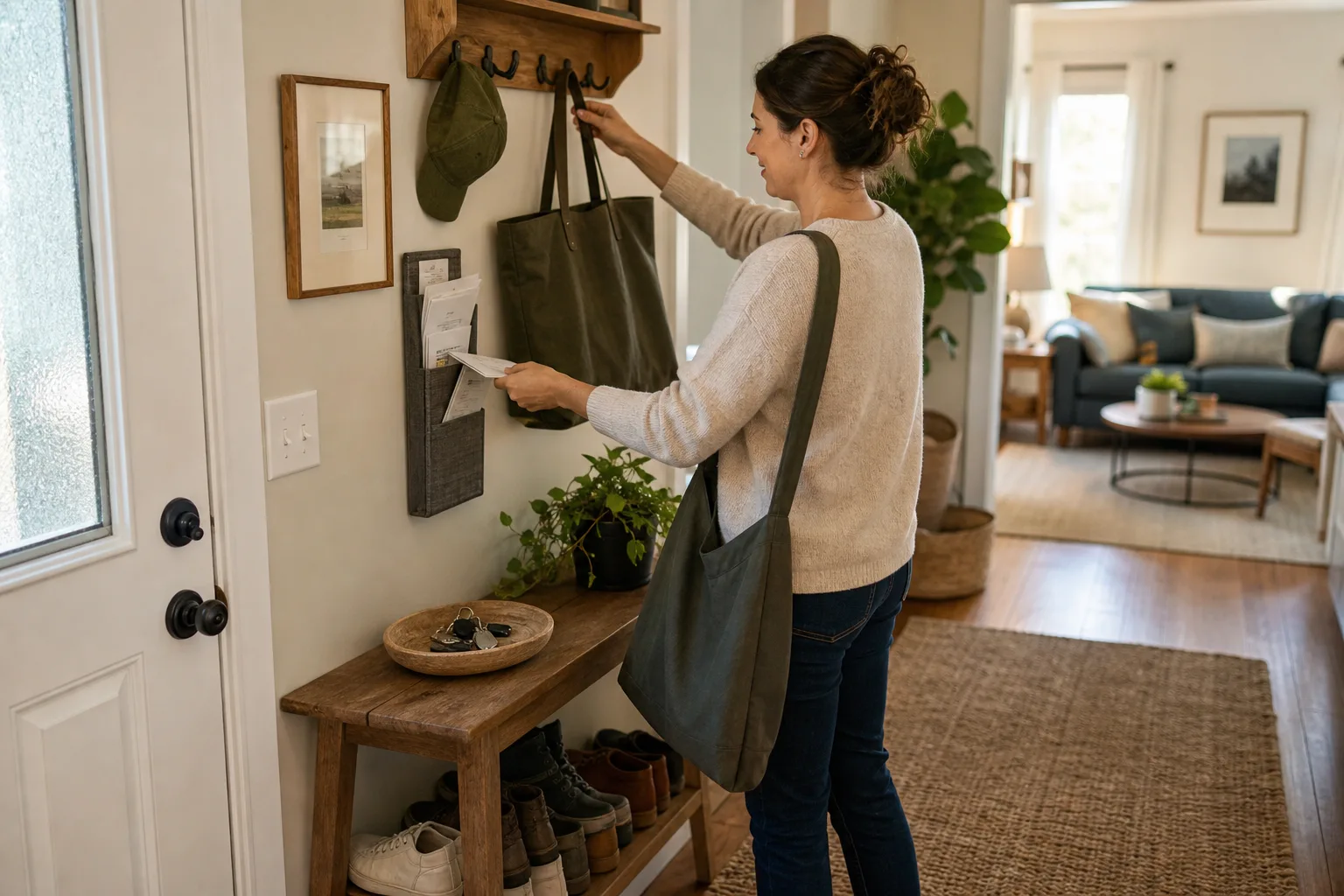 Everyday Living
A Calm Entryway Drop Zone for Keys, Mail, and Bags
Build a short landing sequence that separates items leaving tomorrow from paper that needs a decision.
Read guide →